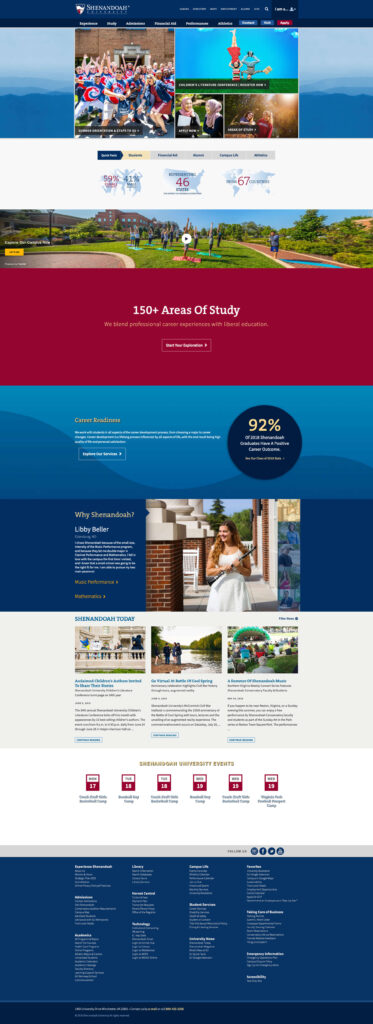
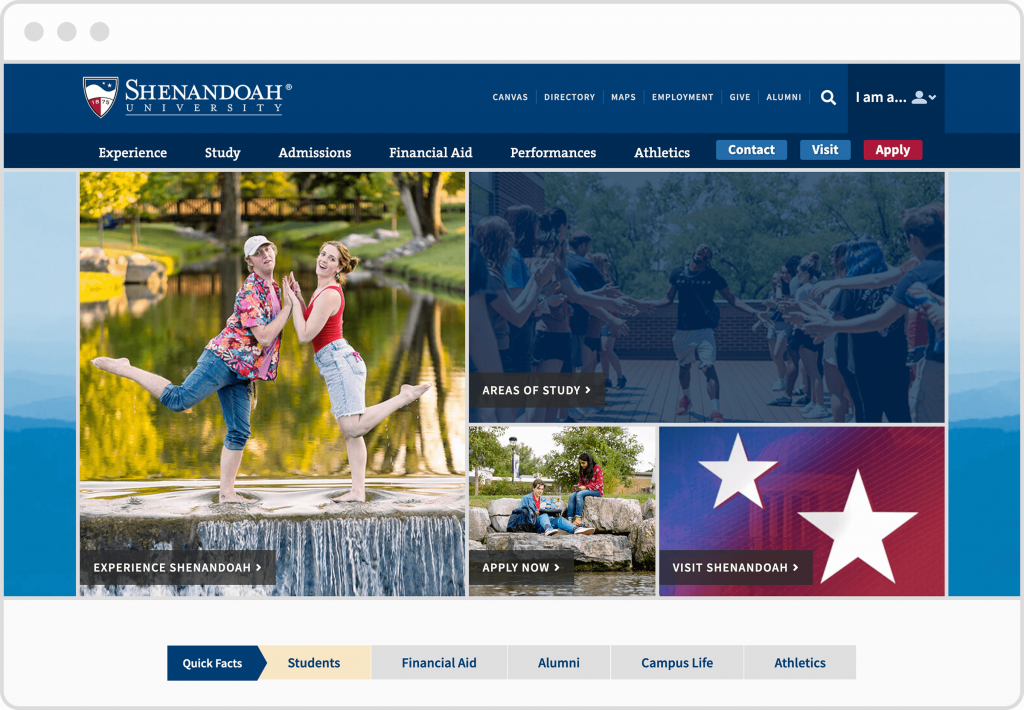
Role: Web Designer & Developer
Platform: WordPress (Multisite, Genesis Framework)
Launch: December 2015
In early 2014, Shenandoah University hired me as a WordPress Development Specialist within the Office of Marketing and Communications. One of my first major responsibilities was to lead the redesign and redevelopment of the university’s primary WordPress multisite installation.
Shenandoah University’s website had become difficult to manage and harder to evolve. Built on a niche page builder, it limited editors, fractured the user experience across departments, and required increasing effort just to keep the site current.
In early 2014, I joined the Office of Marketing and Communications and was asked to lead a full redesign and redevelopment of the university’s WordPress multisite. The objective wasn’t simply a new look—it was to create a system that could serve the institution for years without constant reinvention.
Working alongside MGH as part of a blended in-house and agency team, we set out to rebuild the site from the ground up.
The Challenge
The university needed a digital platform that could:
- Serve many audiences with very different needs
- Scale across academics, admissions, arts, and institutional storytelling
- Empower editors without sacrificing consistency
- Remain stable and relevant well beyond launch
Most importantly, the solution had to work at institutional scale—without becoming brittle or overdesigned.
The Strategy
Rather than treating the website as a campaign deliverable, we approached it as shared infrastructure.
The guiding idea was simple: build a flexible system of templates, patterns, and content models that departments could adapt—without fragmenting the experience or relying on constant developer support.
Longevity, clarity, and editorial usability drove every decision.
Design System
In collaboration with MGH, I helped translate Shenandoah’s brand into a digital system that balanced structure with flexibility:
- Clear typographic hierarchy and layout rules that worked across content types
- Predictable page structures that made navigation intuitive
- Visual guardrails that preserved institutional cohesion across subsites
The design avoided trends in favor of restraint—aiming to feel current at launch and sensible years later.
Technical Foundation
The site was rebuilt on WordPress Multisite using the Genesis Framework, chosen for its stability and extensibility.
Key architectural decisions included:
- Shared templates and reusable components across the network
- Content structures aligned with real editorial workflows
- A navigation model designed to scale with the institution
- Clean, performant markup with SEO baked into the foundation
The result was a platform that editors could trust and developers could extend without unraveling the system.
Subsites & Programs
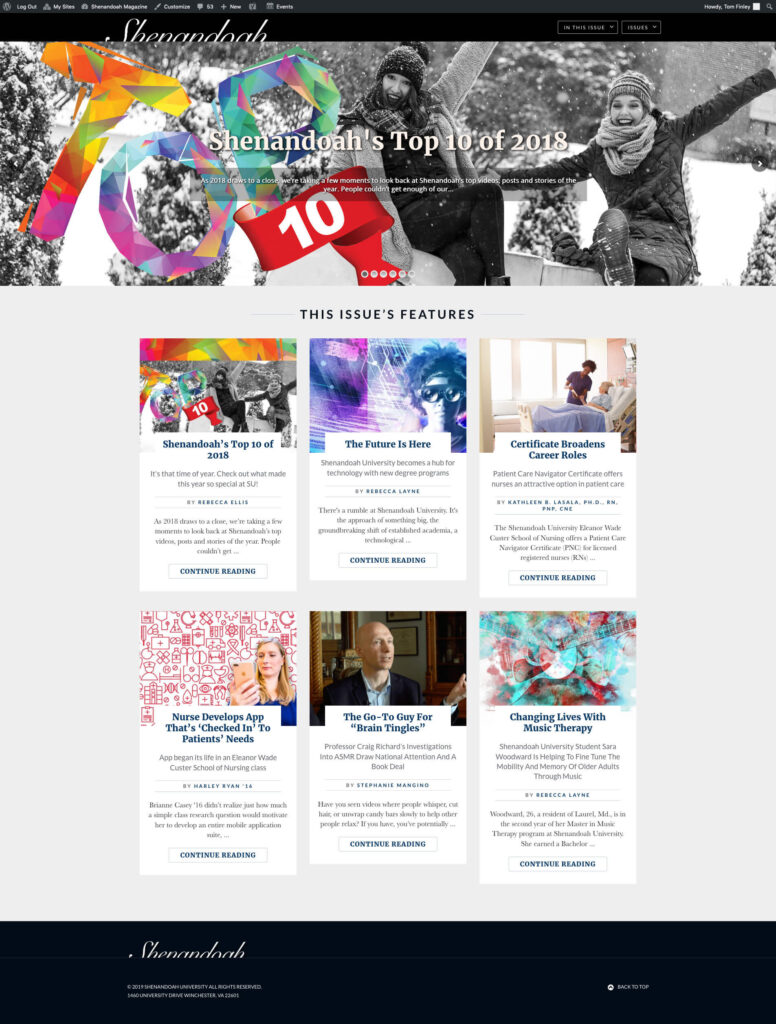
Long-form editorial publishing with emphasis on readability and narrative flow.
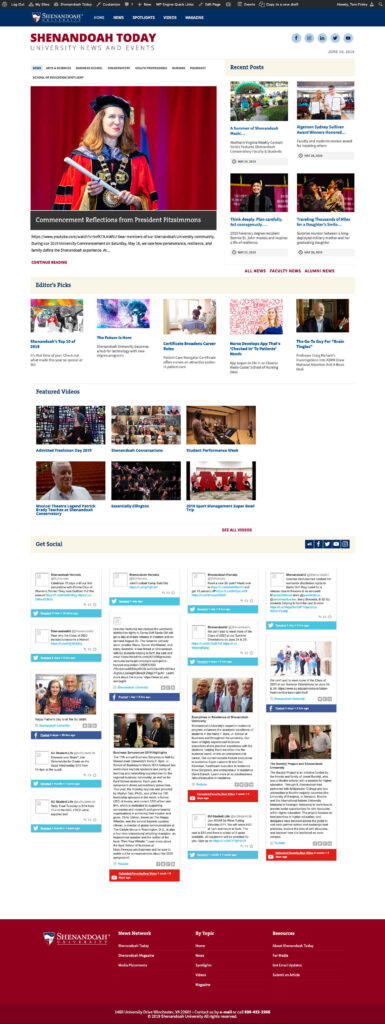
University-wide news and announcements at institutional scale.
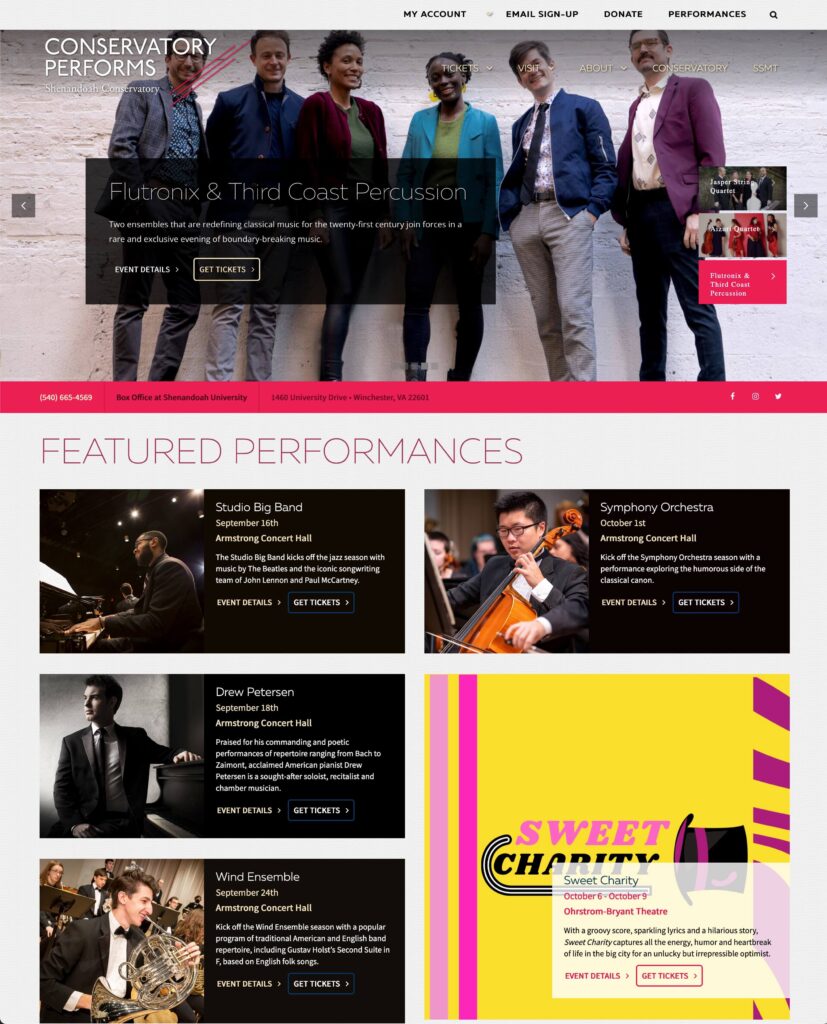
High-velocity performance listings requiring frequent updates and clear wayfinding.
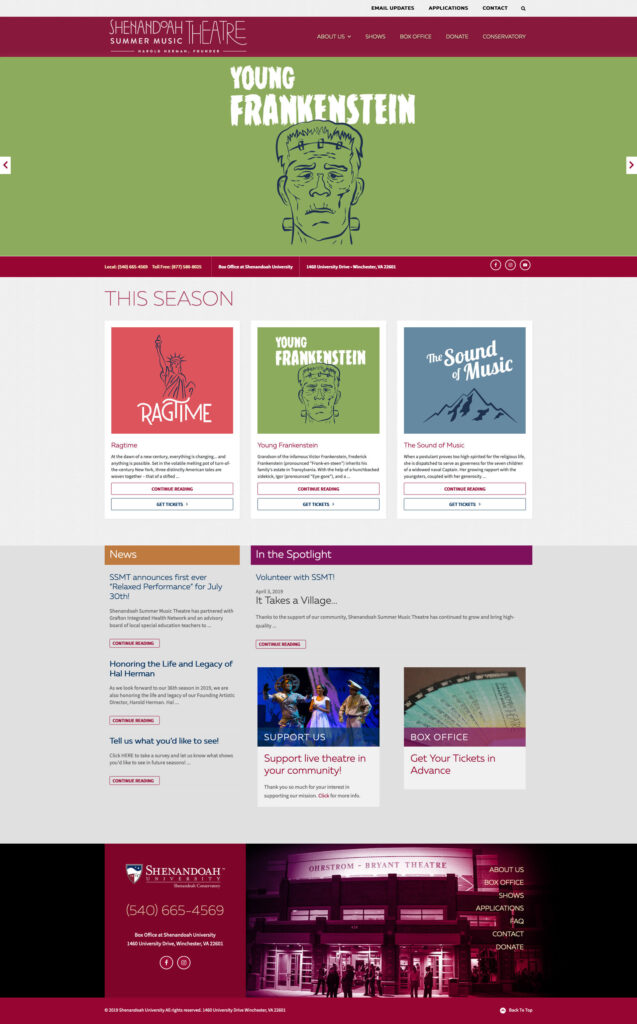
Seasonal promotional site supporting ticket sales and rotating productions.
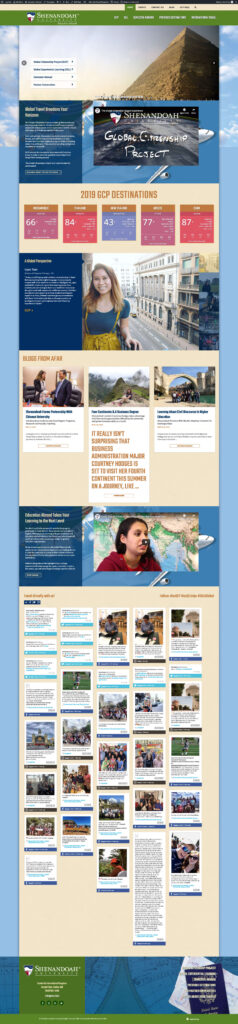
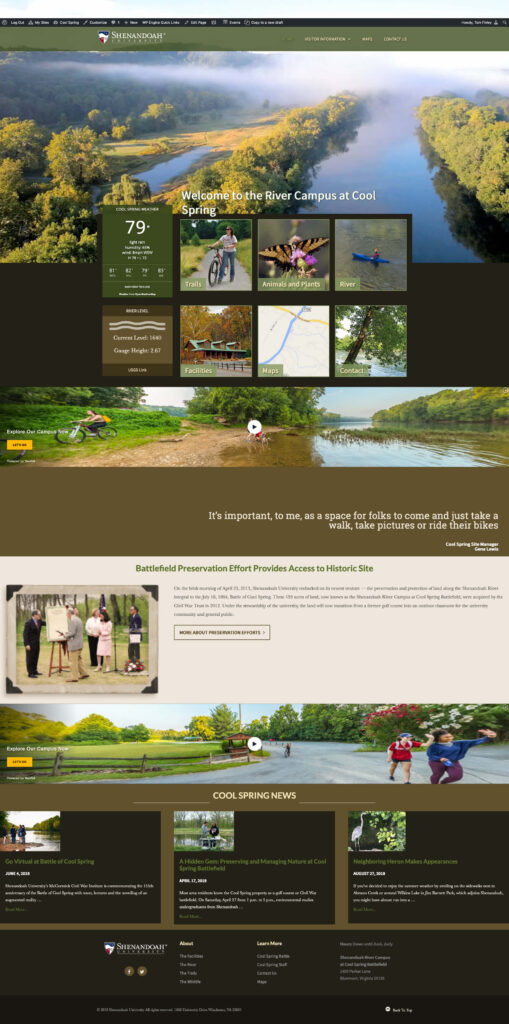
Public-facing nature center with educational content and real-time environmental reporting.
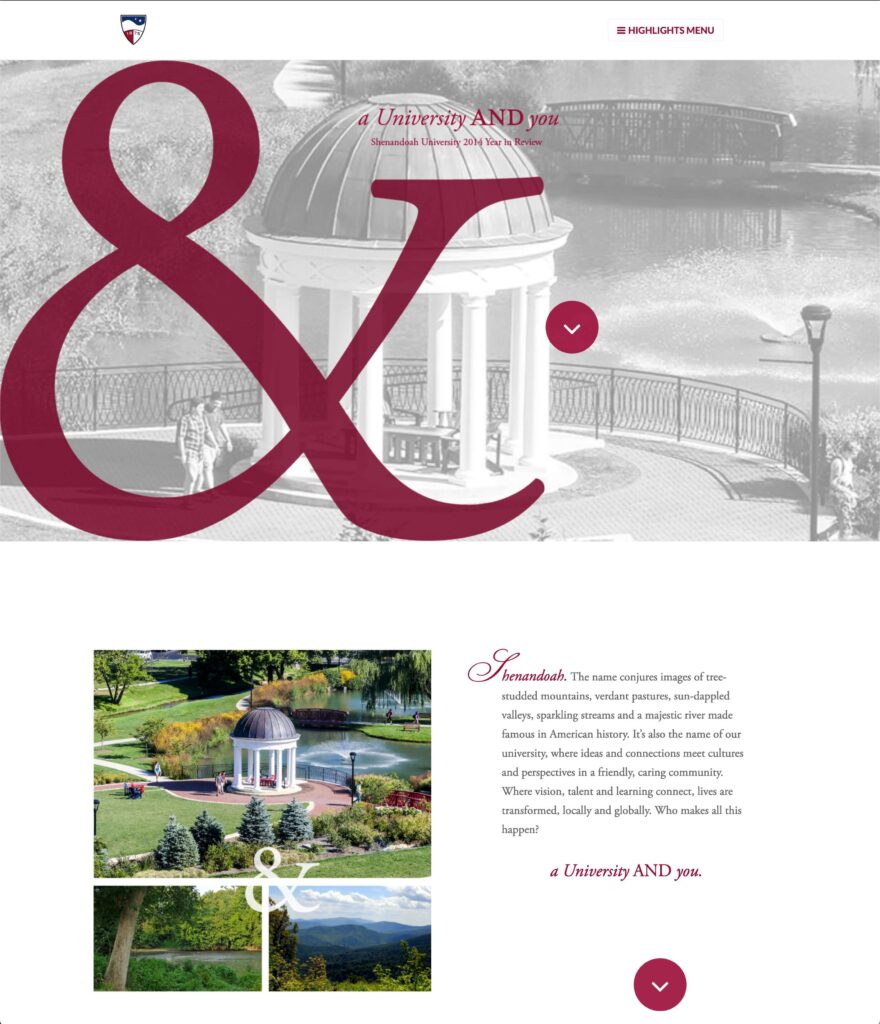
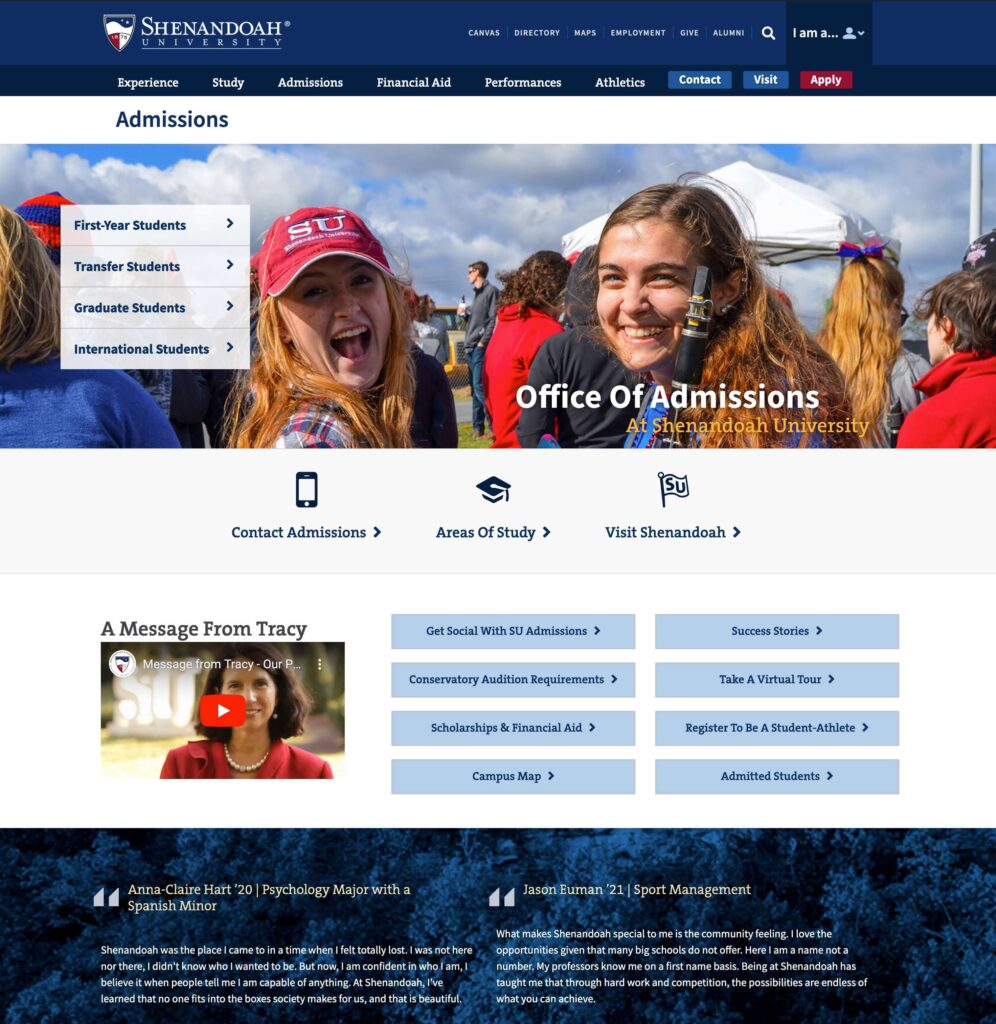
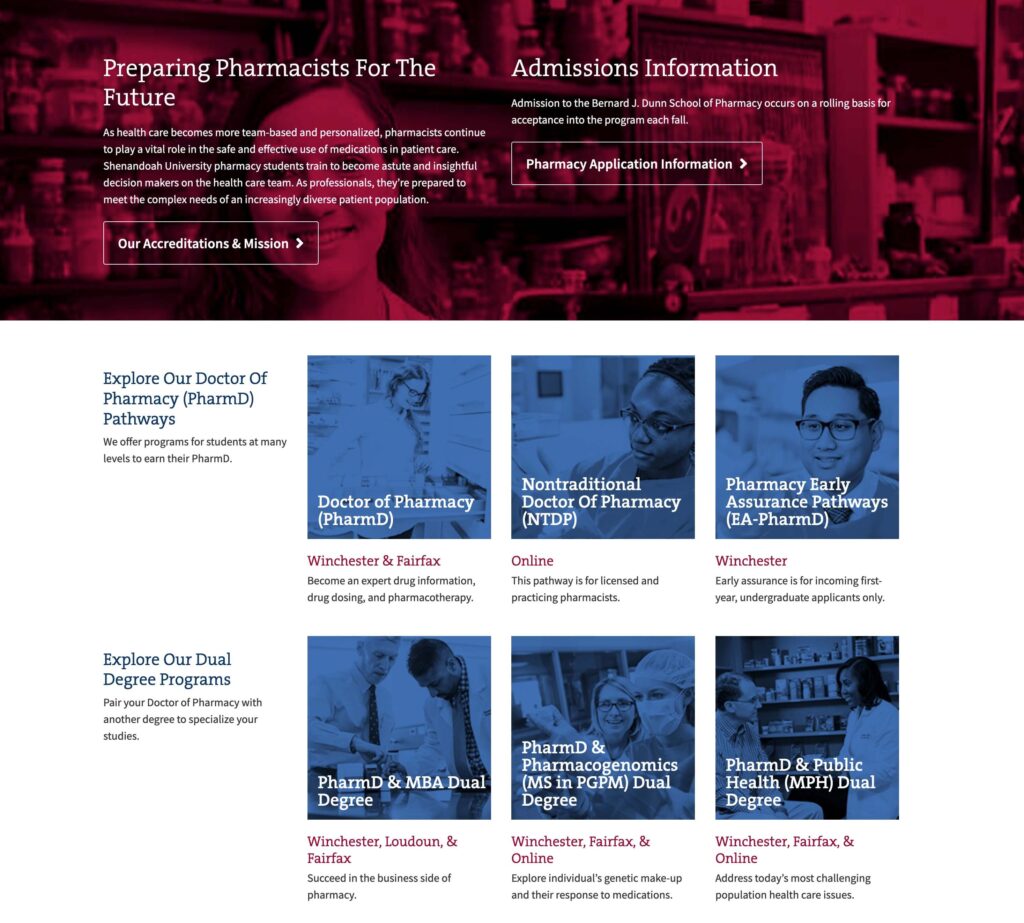
Admissions-focused content designed for prospective students and families.
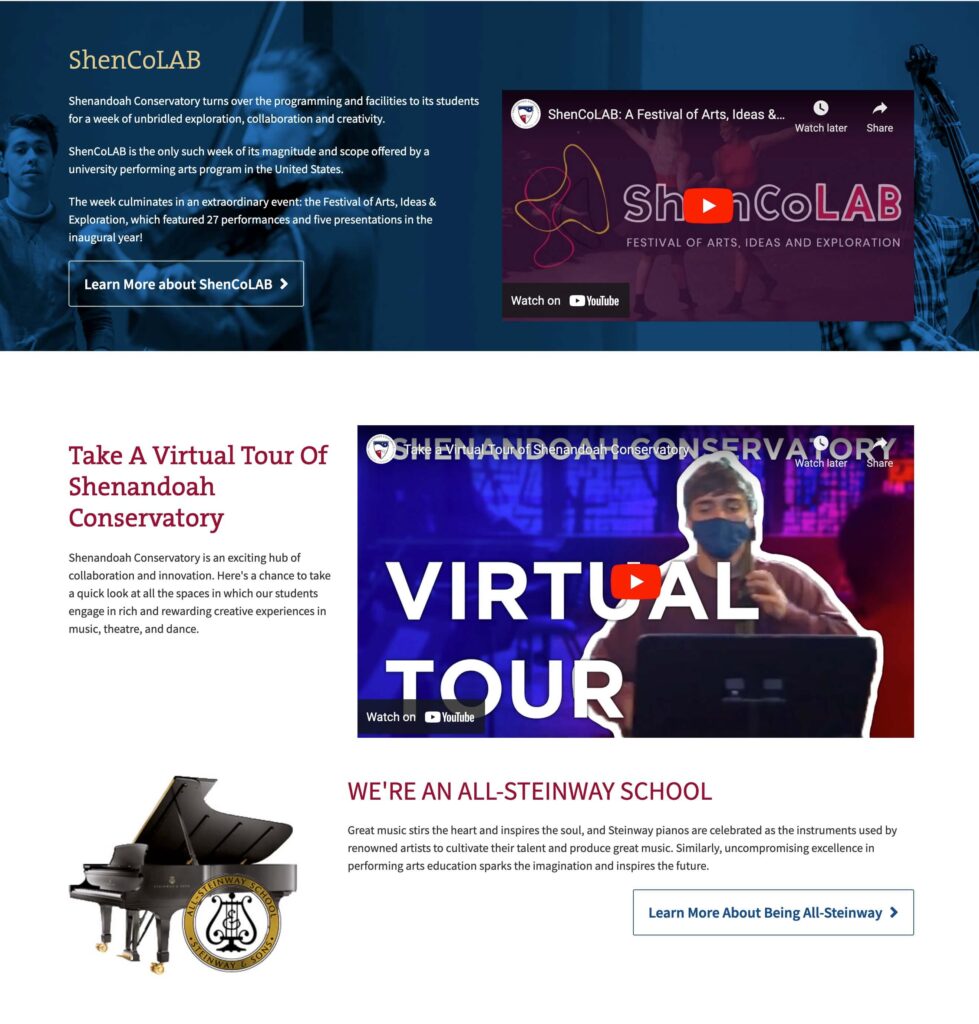
A high-profile institutional project requiring brand sensitivity and precision.
Result
- Launched December 2015; core architecture remained intact until summer 2025
- Editors gained a stable, predictable publishing experience
- The university avoided repeated redesign cycles by investing in a durable system
- Awarded a Silver ADDY in the Consumer Website category
- Most tellingly, the site continued to do its job quietly and effectively for nearly a decade.
What This Work Shows
This project demonstrates the value of pairing thoughtful design with disciplined WordPress architecture at scale. By focusing on long-term maintainability, editorial usability, and audience needs, the Shenandoah University website became a durable platform for recruitment, communication, and institutional storytelling—one that served the university effectively for nearly a decade.